Introduction: The Importance of a Content Calendar
In the fast-paced digital landscape, maintaining a consistent flow of quality content can prove to be a daunting task for many creators. This is where a content calendar becomes an essential tool in a creator’s content planning system. A content calendar not only aids in organizing and scheduling posts but also ensures that creators remain focused, reducing the stress and chaos that often accompany content production.
For content creators, the development of a systematic content creation workflow is crucial. By utilizing a well-structured content calendar, creators can easily map out their strategies in advance, allowing them to dedicate time for brainstorming, drafting, and editing without the last-minute rush. This proactive planning contributes to consistency across all platforms, enhancing audience engagement and improving overall content strategy.
Without a content calendar, creators often face a myriad of challenges. These can range from missed deadlines, sporadic posting schedules, and a lack of cohesive branding to the overwhelming pressure of generating new ideas on short notice. Such hurdles can lead to burnout, decreased productivity, and ultimately, a decline in content quality. Thus, integrating a content calendar into the creator’s content planning process not only mitigates these issues but also empowers them to create thoughtfully curated content consistently.
In essence, a creator content calendar serves as both a roadmap and a lifeline, guiding creators through their content endeavors while offering valuable insights into their effectiveness. Establishing a content calendar can significantly transform the way creators strategize and execute their ideas, making it an invaluable asset in today’s content-driven environment.
Understanding Your Content Creation Process
Content creation is a multifaceted process that involves several distinct phases, each critical to producing high-quality materials. For creators, comprehending this workflow is essential for developing an effective content calendar that accommodates individual styles and deadlines. The typical phases include brainstorming, drafting, editing, and publishing.
The first phase, brainstorming, is where ideas begin to take shape. During this stage, creators should consider their target audience, current trends, and themes relevant to their niche. This is often facilitated by tools or discussions that can inspire unique content topics. By recognizing the types of content that resonate well, creators can better structure their content planning system to ensure relevance and engagement.
Following brainstorming, the drafting phase commences. This involves transforming generated ideas into structured outlines and written content. It is advisable to allocate a specific timeframe for drafting to maintain productivity and avoid procrastination. Establishing deadlines in the content calendar for each piece ensures that creators advance consistently through their content creation workflow.
Many creators use a content capture system to quickly store ideas before organizing them into their planning workflow.
Once the draft is complete, the editing phase begins. This step is crucial for refining the content, enhancing clarity, and correcting mistakes. By incorporating feedback from peers or utilizing editing tools, creators can elevate their work before its final version is published. Furthermore, the editing timeline should also be included in the content calendar for creators to streamline processes and meet publishing dates.
Lastly, the publishing phase marks the culmination of the content creation process. Scheduling publication dates in the content calendar helps maintain regularity, a key factor in audience retention. Understanding this entire workflow allows creators to build a structured and efficient content calendar that aligns with their unique creative methods and deadlines.
Defining Your Goals and Audience
Establishing clear goals is a crucial first step when developing a content calendar. These goals provide direction and framework for your content creation workflow. For creators, a well-defined goal aids in determining the type of content to produce, ensuring that the topics selected align with both business objectives and audience interests. For instance, if the primary goal is to increase brand awareness, the focus might be on creating shareable infographics or engaging videos that underline your brand’s mission and values.
Furthermore, these goals guide the scheduling of your content. A content calendar for creators helps outline when specific content pieces will be published, thus optimizing times when your target audience is most active. It considers seasonal trends and pertinent events that could influence your content’s impact. This systematic approach not only helps maintain consistency in publishing but also allows for strategic timing that can enhance engagement.
Equally important is a profound understanding of your target audience. Tailoring content to a specific demographic ensures that it resonates well and retains engagement. Knowledge of your audience’s preferences, pain points, and interests should drive the topics you cover in your content calendar. By segmenting your audience based on criteria such as age, interests, or behavior, you can create a content planning system that delivers relevant and impactful messages. This understanding leads to a more engaging creator content calendar, allowing for personalized content that speaks directly to the needs of your audience.
In conclusion, defining precise goals and understanding your audience are fundamental elements in crafting a successful content calendar. These factors effectively intertwine to guide content selection, enhance engagement, and maintain a structured content creation workflow.
Steps to Build Your Content Calendar
Creating a content calendar involves several structured steps that help maintain organization and boost productivity in your content creation workflow. To begin, identify your objectives and audience. Understanding what you wish to achieve and who will consume your content lays the foundation of an effective content planning system.
Next, brainstorm and collect content ideas. This can be done through collaboration with your team, audience surveys, or leveraging trending topics within your niche. Utilize a digital tool—like Google Sheets or project management software such as Trello or Asana—to create a dedicated space for these ideas. This format is beneficial for its flexibility and ease of updates.
Once the ideas are generated, categorize them by content type or theme. For example, distinguishing between blog posts, social media updates, and video content can streamline your content calendar for creators. After categorization, prioritize these ideas based on relevance and alignment with your goals. This ensures that your content remains consistent and valuable to your audience.
Set deadlines and assign responsibilities if working in a team. Deadlines not only create urgency but also help in developing a predictable content creation rhythm. Utilize tools such as Google Calendar or a physical planner to mark key dates, including when content will be produced, edited, and released.
Finally, ensure that your content calendar remains adaptable. Monitoring performance metrics after content publication will allow for necessary adjustments in your future planning. This approach benefits the content creation workflow, allowing you to refine your content strategy continuously based on audience engagement and feedback. With these steps in place, your content calendar will serve as a powerful tool for strategic content development.
Many marketers rely on a structured content marketing calendar to maintain consistent publishing schedules.
Planning Content: Weekly and Monthly Strategies
Developing a robust content calendar is essential for maintaining a consistent and focused approach to content creation. Both weekly and monthly strategies offer unique advantages that can enhance a content creation workflow. By integrating these planning techniques effectively, creators can ensure that their content is timely, relevant, and engaging.
Monthly planning provides a broad overview of upcoming themes and major content pieces, allowing creators to align their efforts with specific goals or events. This approach encourages a strategic mindset, enabling the identification of key topics that resonate with the audience over an extended period. Once the monthly content is outlined, breaking it down into weekly segments becomes more manageable. This minimizes overwhelm and allows for a more focused execution of tasks.
In contrast, a weekly strategy promotes agility, accommodating real-time adjustments based on audience feedback or emerging trends. Weekly planning can be integrated into a creator content calendar by allocating specific days for content creation, publishing, and promotion. For example, dedicating Mondays to brainstorming sessions, Tuesdays to drafting content, and Wednesdays for final edits can streamline productivity. This habitual structure also creates an efficient rhythm that enhances creativity.
When planning, it is essential to strike a balance between flexibility and structure. Having a clear plan makes it easier to stay on track, yet allowing room for spontaneity ensures that content remains fresh and responsive. Incorporating buffer times for unexpected tasks or late-breaking news can further enhance this balance, ensuring that the overall content planning system remains effective. Establishing a routine while being open to changes enables creators to maintain consistency in their content delivery.
Once content is scheduled, many creators use content batching to produce multiple posts efficiently.
Transforming Ideas from Your Idea Bank into Scheduled Posts
To effectively manage your content creation workflow, an idea bank serves as a valuable resource for sourcing innovative content ideas. This collection of potential topics can be drawn from various sources, including audience feedback, industry trends, and personal brainstorming sessions. By regularly contributing to your idea bank, you can ensure that you are equipped with a steady supply of concepts, thus enabling the seamless development of your content calendar.
Once you have compiled a list of ideas, the next step involves categorizing and prioritizing these entries. Categorization can be achieved by grouping ideas based on themes, target audience, or content format (e.g., blog posts, social media updates, or videos). This organization allows you to easily identify the most relevant ideas at any given moment. Prioritization, on the other hand, involves assessing the potential impact, relevance to current trends, or alignment with your overall marketing goals. Consider creating a scoring system that evaluates factors such as audience engagement potential, seasonal relevance, or strategic objectives.
After establishing your categories and priorities, the integration of these ideas into your content calendar for creators becomes crucial. A well-structured content planning system provides a visual representation of your content schedule, allowing you to allocate specific dates for each post based on urgency and relevance. Furthermore, ensure that your content calendar reflects a balanced distribution of content types, thereby maintaining audience interest. Establishing deadlines and setting reminders can keep your content creation workflow efficient, ensuring those ideas from your bank evolve into executed posts within the designated timeframe.
With a systematic approach, transforming your ideas from the idea bank into scheduled posts is not only feasible but can greatly enhance your overall content strategy. This strategic alignment will contribute significantly to achieving your content goals.
Examples of Content Planning Across Different Platforms
Creating a comprehensive content calendar is essential for varying platforms, each of which requires distinct approaches for effective content delivery. For blog posts, a content calendar can include scheduled topics, publication dates, and keywords to be targeted. This structured approach enables creators to maintain a steady flow of relevant content while allowing for strategic planning, such as aligning posts with seasonal trends or industry events. A well-organized content planning system can significantly improve a creator’s ability to produce engaging blog content consistently.
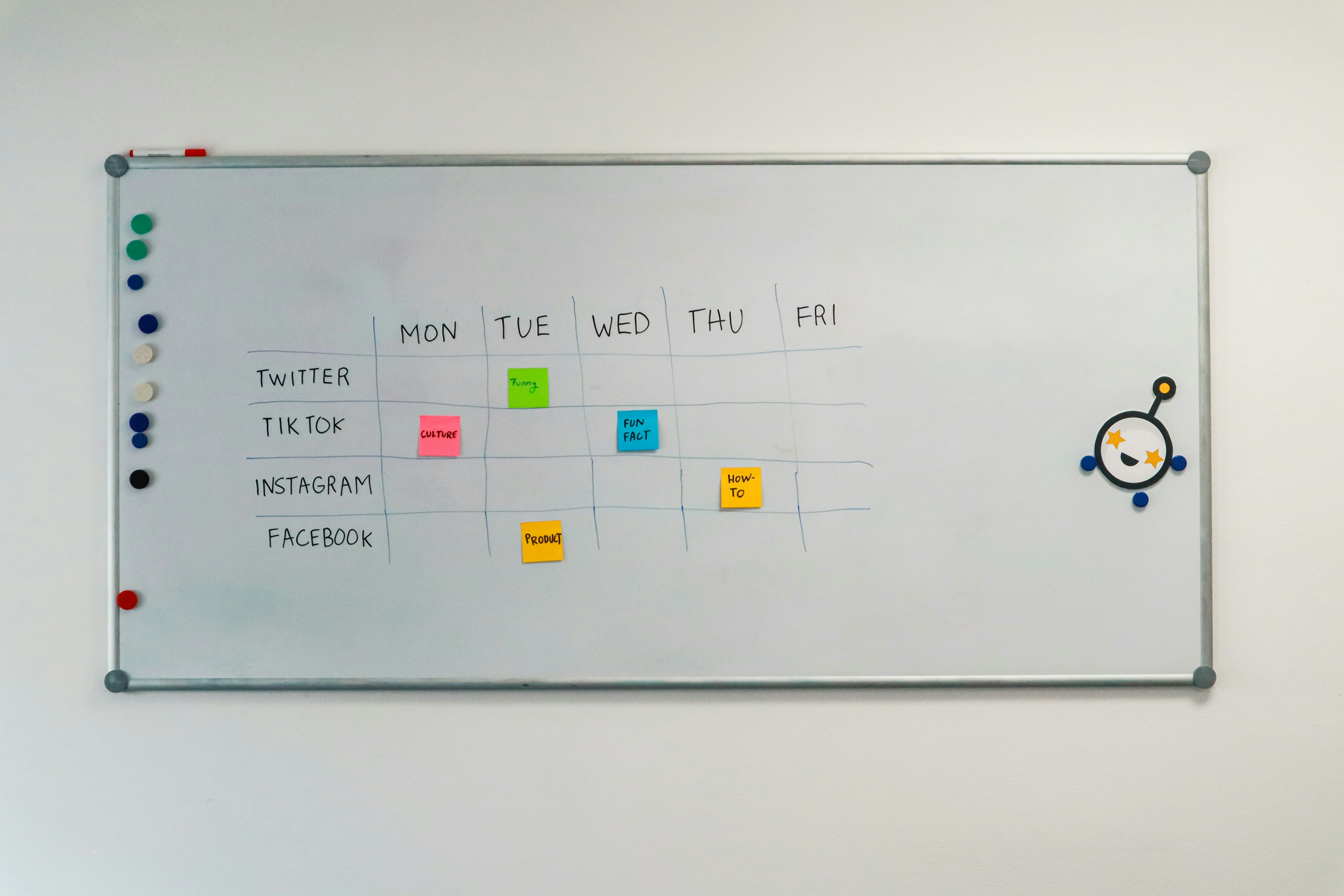
For social media updates, a content calendar becomes a dynamic tool that incorporates different post types across platforms like Instagram, Twitter, and Facebook. Each platform has unique requirements, such as character limits, image dimensions, and optimal posting times. By utilizing a content calendar for creators, one can schedule promotional materials, engage with followers through polls or questions, and highlight user-generated content. This versatility enhances the creator content calendar by ensuring that content remains varied and engaging, addressing the diverse preferences of target audiences.
When it comes to video content, the planning process often involves more extended timelines and additional coordination. A content calendar tailored for video production can outline script deadlines, filming schedules, and editing timelines to streamline the content creation workflow. Additionally, considerations such as platform-specific requirements (like YouTube’s algorithm or TikTok’s trending challenges) can be integrated into the schedule. By having a dedicated content planning system for video, creators can ensure they are consistently uploading relevant and high-quality video content.
In conclusion, leveraging a content calendar across various platforms not only enhances consistency in posting but also allows creators to optimize their content strategies effectively. By understanding the unique considerations for blogs, social media, and video, one can develop a versatile and comprehensive content calendar that supports sustained engagement and growth.
How a Content Calendar Fits into Your Larger Workflow
A content calendar serves as a pivotal component of a comprehensive content creation workflow, allowing creators to effectively plan, manage, and track their content across various platforms. By organizing content in advance, the calendar enhances visibility over upcoming posts and creative initiatives, which is essential for maintaining consistency and relevance in a fast-paced digital environment.
Integrating a content calendar for creators into the overall content planning system fosters collaboration among team members. Whether working alone or within a group, a well-structured calendar allows individuals to align their efforts, reducing the likelihood of duplicate or overlapping content. This collaborative approach ensures that everyone engaged in the project can easily see what content is scheduled, who is responsible for each piece, and the respective deadlines. Furthermore, it serves as a communication tool, enabling quick updates and adjustments to be made as necessary, streamlining coordination efforts.
Moreover, a content calendar is vital for the review process, providing a scheduled timeline for content assessment. By mapping out deadlines for drafting, editing, and publishing, teams can set aside dedicated time for reviewing and refining their content to ensure high-quality output. This systematic approach also aids in tracking performance metrics, as the calendar facilitates the analysis of which types of content resonated with the audience, thus aiding in data-driven decision-making for future projects.
Ultimately, utilizing a dedicated content calendar enhances productivity by creating an organized framework for the content creation workflow. By clearly defining timelines and responsibilities, creators can focus on delivering engaging content while maintaining a strategic overview of their projects. Such a structured approach not only optimizes efficiency but also elevates the quality of content produced over time.
Conclusion: Staying Consistent with Your Content Calendar
Building and maintaining a content calendar is an essential practice for any creator looking to enhance their content creation workflow. This structured approach facilitates organized content planning and ensures that you remain consistent in delivering high-quality material to your audience. By utilizing a content calendar for creators, you not only streamline your process but also increase the potential for your content to resonate with your target demographic.
Throughout this article, we have explored the various components of an effective content planning system. Key takeaways include the importance of setting clear goals, incorporating a diverse range of content types, and regularly evaluating the performance of your creations. Each of these elements contributes to a comprehensive creator content calendar, ultimately allowing you to engage your audience more effectively and maintain a steady flow of creative output.
As you consider the benefits of a content calendar, remember that consistency is paramount in building audience trust and loyalty. Developing a routine can help reduce uncertainty and enhance productivity, making your content strategies more effective in the long run. Therefore, we encourage you to start constructing your own content calendar today, shaping it to fit your unique needs and creative style. By committing to this process, you are investing in your growth as a creator and ensuring that your content remains relevant and impactful.