Introduction to Newsletter Marketing
Newsletter marketing has emerged as a crucial communication channel for creators seeking to engage with their audience on a deeper level. Unlike traditional marketing strategies that often focus on broad demographics, newsletter marketing emphasizes building authentic relationships with subscribers. This approach allows creators to curate content that resonates specifically with their audience’s interests, thereby fostering loyalty and trust.
As creators navigate the evolving landscape of digital communication, the importance of newsletters cannot be overstated. They serve as a direct line to the audience, providing updates, insights, and exclusive content without the interference of algorithms that often dictate social media visibility. This characteristic sets newsletters apart from other marketing channels such as social media platforms, where reach and engagement can fluctuate unpredictably. With newsletters, creators have greater control over their content delivery and timing.
Furthermore, the rise of personalization in marketing has made newsletters particularly appealing. Creators can segment their audience and tailor messages to specific groups, enhancing relevance and engagement. This level of customization is challenging to achieve through other forms of marketing, such as ads or public posts on social media, where communication tends to be more generalized.
In essence, newsletter marketing is not just a trend but a strategic tool for creators aiming to cultivate meaningful connections with their audience. Given the unique advantages that newsletters offer, including direct communication, personalized content, and heightened reader engagement, it is evident why this marketing approach should be integral to any creator’s strategy moving forward.

What We’ll Cover
Understanding Your Audience
In the realm of newsletter marketing, grasping the essence of your audience is paramount. Knowing who subscribes to your newsletter allows you to create content that touches on their preferences and interests, ultimately enhancing user engagement and retention. One critical aspect of this understanding is audience segmentation, which involves dividing your subscribers into distinct groups based on relevant criteria such as demographics, behavior, and preferences.
To successfully segment your audience, consider collecting data through various channels. Surveys and questionnaires can be employed to gather insights directly from your subscribers. Additionally, analyzing engagement metrics from previous newsletters can provide valuable information regarding what content resonates most with different groups. For example, subscribers may demonstrate varied responses to specific topics, designs, or frequency of communication. Therefore, identifying these preferences will help deepen your connection with your audience.
Once you have segmented your audience, it’s essential to tailor your content to meet their unique needs. Creating personalized newsletters that speak to specific segments can significantly increase engagement levels. This might involve adjusting newsletter frequency, curating content themes, or even using different styles of communication. Personalization strategies may include addressing subscribers by name or suggesting content based on their previous interactions. Furthermore, encouraging feedback from your audience on the type of content they wish to receive can further refine your offerings, enhancing satisfaction and loyalty.
In summary, understanding your audience is a crucial step in effective newsletter marketing. By employing segmentation tactics, gathering feedback, and aligning your content with the interests of your subscribers, you can foster a more engaged readership, maximize retention, and support the growth of your newsletter presence.
Creating Compelling Content
Creating compelling content is essential for effective newsletter marketing. The most successful newsletters often include a blend of exclusive updates, behind-the-scenes insights, personalized messages, and curated resources. Each of these content types serves to engage readers while providing them with unique value that they cannot find elsewhere.
Newsletter marketing is a core part of your content growth strategy.
Exclusive updates are particularly effective for keeping subscribers informed about recent developments or upcoming projects. This type of content can include new product launches, special events, or important milestones that resonate with the audience’s interests. Behind-the-scenes insights offer readers a glimpse into the creator’s process, allowing them to connect on a more personal level. Sharing anecdotes or stories about challenges faced during a project can foster a deeper relationship with the audience.
Personalized messages also play a key role in engaging subscribers. By addressing individual reader preferences and interests, creators can craft messages that feel tailored and relevant. This personalization can extend beyond the greeting to include customized content recommendations based on subscribers’ past interactions.
Curated resources, such as articles, tools, or tools relevant to the audience’s interests, add supplemental value. It positions the newsletter as a trusted source of information and helps subscribers discover new content they may appreciate.
Additionally, it is vital to focus on the presentation of this content. Crafting engaging subject lines and headlines not only captures attention but also encourages clicks. Using action-oriented language and creating a sense of urgency can significantly increase open rates. Furthermore, the body content must be concise and well-structured, utilizing bullet points or subheadings to enhance readability.
Many creators use content repurposing to grow thier newsletter. You can learn more about content repurposing here.
In summary, the combination of exclusive updates, insightful stories, personalised touches, and valuable resources forms the backbone of engaging newsletter content. By carefully considering these elements, creators can effectively connect with their audience and nurture long-lasting relationships.
Designing an Eye-Catching Newsletter
Creating an engaging newsletter design is crucial for effectively communicating with your audience. A visually appealing layout can enhance user experience and improve reader retention. Several design principles can be applied to ensure that your newsletter stands out in crowded inboxes.
You can find some examples of what good looks like from platforms like Really Good Emails.
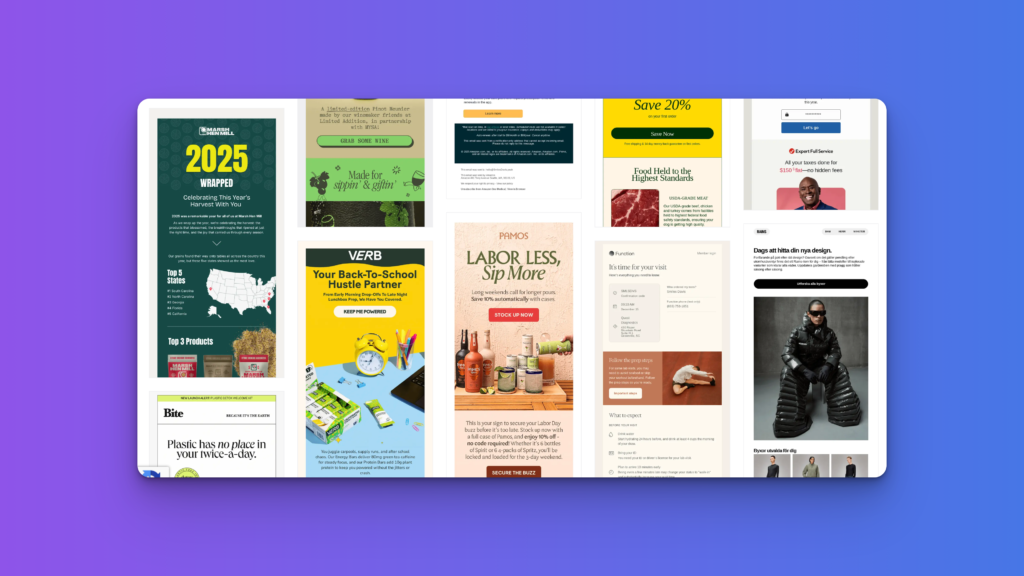
First and foremost, consider the layout. A clean, organized structure allows readers to navigate content effortlessly. Employ a grid layout to create a sense of balance and hierarchy. This includes utilizing whitespace effectively; it aids in reducing clutter and directing attention to key elements in the newsletter.
Incorporating visuals is also essential for captivating your audience. Images, infographics, and icons can break up text and make complex information more digestible. Ensure that any visuals you utilize are of high quality and relevant to your content. Alt text descriptions for these visuals are equally important for accessibility and SEO purposes.
Color schemes play a significant role in the overall feel of your newsletter. Choosing a consistent palette that aligns with your brand can evoke certain emotions and responses from your readers. Contrasting colors can be effectively employed for call-to-action buttons to prompt user engagement while maintaining coherence with your overall design.
Additionally, it is important to ensure that your newsletter is mobile-friendly. With a substantial number of users accessing emails via mobile devices, optimizing your design for smaller screens is non-negotiable. Responsive design principles should be employed, ensuring that content adjusts seamlessly to different device screens without compromising readability.
In conclusion, strategically considering layout, visuals, color schemes, and mobile optimization can significantly enhance the aesthetic appeal of your newsletter, thus fostering a better connection with your audience. A well-designed newsletter not only captures attention but also reinforces your brand identity and encourages reader interaction.
Building Your Subscriber List
Growing a robust subscriber list is a fundamental aspect of newsletter marketing for creators. A well-curated list can significantly enhance your engagement rates and empower you to communicate directly with your audience. One effective strategy for expanding your subscriber base is leveraging social media platforms. By sharing tailored content and promotional posts across channels such as Instagram, Twitter, and Facebook, you can reach diverse audiences and encourage them to subscribe to your newsletter for exclusive updates and insights.
If you’re learning how to build an audience as a creator, this guide will be very helpful.
Another powerful technique is to offer lead magnets, which are incentives designed to attract potential subscribers. Lead magnets can take various forms, including downloadable e-books, exclusive videos, or even access to a special webinar. These offerings, when presented effectively, can motivate users to provide their contact information in exchange, thus enabling you to grow your list authentically.
Utilizing landing pages is also crucial in the subscriber acquisition process. A dedicated landing page designed specifically for newsletter sign-ups can enhance conversion rates. This page should feature clear calls-to-action, concise information about the benefits of subscribing, and easy navigation options. Ensuring that this page is optimized for mobile devices is essential, given the increasing number of users accessing the internet via smartphones and tablets.
Encouraging referrals from current subscribers can also bolster your list growth. Implementing referral programs that reward subscribers for introducing your newsletter to others can create a viral effect on your growth. Providing easy sharing options through email and social media can facilitate this process. Additionally, best practices for list management are vital to maintaining a healthy subscriber list. Regularly cleaning your list by removing inactive subscribers can enhance your engagement rates and ensure your communication efforts are directed towards those genuinely interested in your content.
Engaging and Retaining Your Audience
In the competitive landscape of newsletter marketing, creators must focus on engaging and retaining their audience to ensure long-term success. One of the fundamental aspects of maintaining subscriber interest is consistency in communication. Establishing a regular schedule for sending newsletters not only keeps your brand top of mind but also sets clear expectations for your audience. By committing to a consistent cadence—whether weekly, bi-weekly, or monthly—you provide subscribers with the familiarity and reliability they often seek.
Another critical factor is personalization. Tailoring your content to meet the specific interests and preferences of subscribers can significantly enhance engagement levels. Utilizing data analytics to segment your audience allows you to create targeted emails that resonate with various subscriber groups. This approach helps in delivering relevant content that addresses subscribers’ needs, leading to increased open rates and an improved overall experience.
Timing also plays a key role in newsletter effectiveness. Identifying when your audience is most likely to engage can improve response rates. Experimenting with different days and times through A/B testing can yield valuable insights, enabling you to optimize your sending schedule for maximum engagement. Furthermore, crafting compelling subject lines and incorporating visually appealing designs can capture attention and entice subscribers to open your emails.
For active engagement, it is essential to have re-engagement strategies in place for subscribers who have become inactive. Sending targeted campaigns to reawaken interest, such as special offers or personalized messages reminding them of what they’re missing, can rekindle their enthusiasm. Implementing a feedback mechanism to understand why subscribers disengage and addressing those concerns can also enhance retention.
If you’re thinking about building a newsletter, kit is a great place to start.
Analyzing Your Performance
Data analysis is a critical aspect of newsletter marketing that enables creators to understand the effectiveness of their campaigns. By analyzing performance metrics, creators can make informed decisions to enhance their strategies. Key performance indicators (KPIs) are essential to track, as they provide insights into how well the newsletter is performing. Some of the most important KPIs include open rates, click-through rates, and conversion rates.
Open rates indicate the percentage of recipients who opened the newsletter. A higher open rate suggests that the subject lines and sender names effectively captured the audience’s attention. Click-through rates measure the proportion of readers who clicked on links within the newsletter, reflecting how engaging and relevant the content is to the audience. Lastly, conversion rates assess the percentage of users who took the desired action, such as signing up for a service or making a purchase, highlighting the overall success of the marketing efforts.
To effectively measure these metrics, creators should leverage various analytical tools. Email marketing platforms, such as Mailchimp, Constant Contact, or Sendinblue, typically offer built-in analytics that track KPIs. These platforms allow creators to easily assess the performance of individual newsletters and make data-driven adjustments for future campaigns. Additionally, utilizing tools like Google Analytics can help track website traffic originating from newsletter links, providing deeper insights into user behavior.
In summary, effectively analyzing performance is paramount for creators to optimize their newsletter marketing efforts. By closely monitoring KPIs and employing appropriate tools, creators can identify trends, adapt their strategies, and ultimately improve their newsletter’s reach and effectiveness. Analyzing performance will not only help in meeting marketing goals but also in cultivating a loyal subscriber base that drives sustained growth.
Monetizing Your Newsletter
Monetizing a newsletter is an essential aspect for creators looking to generate revenue from their audience. There are several avenues available that can be explored to establish profitable streams. Among these, sponsorships are a prominent option. By partnering with brands, creators can leverage their audience to provide companies with targeted access. The key is to identify sponsors whose values align with your newsletter’s content, ensuring a seamless integration that benefits both parties.
Another viable method is affiliate marketing, where creators can promote products or services within their newsletters and earn a commission for each sale made through referral links. This strategy not only enhances content value but also offers readers recommendations tailored to their interests. It is advisable to choose reputable affiliate programs that resonate with your audience, as authenticity is crucial to maintaining trust.
Additionally, offering premium content is a popular strategy for monetizing a newsletter. By providing exclusive insights, resources, or services to subscribers in exchange for a fee, creators can generate a steady income stream. This could include in-depth articles, webinars, or downloadable materials that add unique value beyond standard content.
Finally, selling products or services directly through the newsletter can also be effective. Creators can utilize their platform to promote and sell merchandise, courses, or consulting services that align with their niche. This direct approach allows for an intimate connection with the audience, increasing the likelihood of conversions.
When it comes to pitching to potential advertisers or sponsors, clarity and professionalism are paramount. Creators should prepare a media kit that highlights their audience demographics, engagement statistics, and the value proposition they offer. A well-thought-out pitch demonstrating how the sponsorship aligns with the creator’s audience can significantly enhance the chances of securing lucrative deals. Implementing these strategies can help maximize the monetization potential of a newsletter.
Future Trends in Newsletter Marketing
As the digital landscape continues to evolve, newsletter marketing is poised for significant transformation. Creators should pay close attention to several emerging trends that are shaping the future of this communication channel.
One notable trend is the increasing role of automation in newsletter marketing. Automation tools allow creators to streamline their processes, enabling them to send timely and relevant communications without the burden of manual effort. This not only enhances efficiency but also provides the ability to deliver personalized content tailored to individual subscriber preferences. As automation technology becomes more sophisticated, it can facilitate advanced segmentation strategies, leading to improved engagement rates.
Another significant development is the incorporation of artificial intelligence (AI) in content creation and curation. AI can analyze vast amounts of data to identify trends, preferences, and behaviors, enabling creators to develop targeted newsletters that resonate with their audiences. This technology can also assist in generating content ideas, drafting copy, and even optimizing subject lines for higher open rates. As AI tools become more accessible, creators will likely leverage this technology to enhance their newsletter quality and relevance.
Follow this simple guide for using AI tools as a creator.
Furthermore, shifting consumer behavior plays a crucial role in shaping newsletter marketing strategies. With audiences becoming increasingly selective about the content they consume, it is essential for creators to prioritize value and authenticity in their newsletters. Engaging storytelling and high-quality content will become paramount in retaining subscriber interest. Additionally, the rise of mobile usage necessitates that newsletters be optimized for mobile devices, ensuring they are visually appealing and easy to navigate regardless of the platform used.
In summary, the future of newsletter marketing for creators is bright but requires adaptation to new tools and changing audience expectations. By embracing automation, AI technologies, and a focus on consumer preferences, creators can effectively position themselves for success in an evolving landscape.