Introduction to Content Idea Banks
In the ever-evolving landscape of digital content creation, the importance of a content idea bank cannot be overstated. This repository serves as a systematic approach for creators to gather, organize, and refine their thoughts and inspirations. It addresses a common challenge that many face—running out of content ideas. For creators, having an empty pipeline can lead to anxiety, creative block, and ultimately, reduced engagement with their audience.
A content idea bank is particularly significant as it provides a structured collection of ideas that cater to various themes and formats. By systematically storing your thoughts, whether they stem from everyday experiences, research, or audience feedback, you can ensure that you always have a well of creative resources at your disposal. Many creators start by using a content capture system to quickly store ideas before organizing them inside their idea bank. This not only boosts productivity but also enhances the content creation workflow, enabling you to craft posts that resonate with your audience.
Moreover, organizing your content ideas effectively within your bank increases your potential to diversify your offerings. For example, by categorizing content ideas for creators based on trending topics, different formats, or target audiences, you can plan a varied content calendar that aligns with your strategic objectives. Having such a database eliminates the fear of running out of inspiration and allows you to focus on delivering valuable content consistently.
In summary, a well-maintained content idea bank serves as a crucial tool for any creator aiming to engage their audience meaningfully and efficiently. It empowers creators by providing an accessible resource to brainstorm and refine content ideas, ensuring that they never find themselves at a loss for what to produce next.
Benefits of Building a Content Idea Bank
Building a content idea bank provides numerous advantages for creators looking to streamline their content creation workflow. One of the most significant benefits is the promotion of creativity. By collecting various content ideas for creators in a centralized location, individuals can explore different themes and concepts, allowing for more innovative and engaging content production. When inspiration strikes, having a dedicated space to capture these ideas ensures that they are not lost and can be revisited later.
Moreover, a content idea bank effectively reduces the stress associated with content creation. Many creators often experience anxiety over what to post next, leading to periods of inactivity. By maintaining a list of curated content ideas, individuals can alleviate this pressure, resulting in a more fluid and enjoyable creative process. This reduced stress not only enhances the overall experience of content creation but also contributes to greater productivity.
Consistency is vital in content production, and a well-organized content idea bank helps maintain regular posting schedules. When creators have a wealth of ideas readily available, they can plan their content calendar more efficiently, ensuring that posts are timely and relevant. Additionally, a regularly updated idea bank allows creators to tap into their audience’s interests more effectively, as they can refer back to themes and topics that have resonated well with viewers.
Another advantage of utilizing a content idea bank is the significant time-saving it offers. By meticulously organizing and developing a rich repository of content ideas, creators can expedite the planning and drafting stages of their workflow. Instead of scrambling for ideas at the last minute, they can draw from a well-populated repository, allowing them to focus more on creating high-quality content rather than on ideation. Overall, the benefits of building a content idea bank extend far beyond creativity, positively impacting stress management, consistency, audience engagement, and time efficiency.
Step-by-Step Guide to Building Your Idea Bank
Building a robust content idea bank requires a structured approach that facilitates the continuous generation and organization of content ideas. The initial step is brainstorming, wherein you compile a diverse array of thoughts, topics, and themes relevant to your niche. Encourage open-ended thinking during this phase, allowing yourself and your team—if applicable—to jot down every idea without judgment. Consider using techniques such as mind mapping or free writing to unleash creativity and help identify valuable content ideas for creators.
Once you have amassed a significant collection of ideas, the next phase involves reviewing and refining them. Evaluate each idea based on its relevance, originality, and potential impact on your audience. It might be beneficial to categorize ideas during this process. For instance, you can create sections such as “How-To Guides,” “Industry Trends,” or “Inspiration” to streamline the content creation workflow. Utilizing tags or themes can also enhance the accessibility of your content idea bank, ensuring that you can find specific ideas quickly.
After categorization, it is essential to maintain your content idea bank consistently. Regularly assess and update your collection by removing outdated or less relevant ideas, while simultaneously adding new ones. Schedule periodic brainstorming sessions to generate fresh creator content ideas and encourage collaboration among team members. Additionally, consider utilizing digital tools or applications that allow for easy organization and retrieval of ideas, ensuring that your system evolves with your content needs.
By following these steps, you will create a well-organized content idea bank that supports ongoing creativity and helps to ensure that you never run out of content ideas again.
Methods for Collecting Content Ideas
Generating a robust content idea bank is crucial for creators aiming to maintain a steady flow of engaging material. Various methods exist for collecting content ideas, ranging from passive to active techniques. By employing a combination of these strategies, creators can ensure their content remains fresh and responsive to their audience’s interests.
Try these content marketing ideas.
One effective active technique is observing trends on social media platforms. By regularly scanning popular hashtags and topics, creators can identify emerging trends and discussions that resonate with their target audience. Engaging with these trends allows for the development of timely and relevant content ideas that reflect current conversations.
In addition to trend observation, tracking audience comments and feedback can reveal valuable insights into what viewers find compelling. By paying attention to questions, suggestions, and critiques from followers, creators can generate specific content ideas that directly address the interests and needs of their audience. Integrating this feedback into a content creation workflow ensures that the materials produced are not only engaging but also foster a dialogue with the audience.
Passive collection techniques are equally beneficial. Listening to everyday conversations, whether in person or through digital communication platforms, can uncover unique perspectives and topics worthy of exploration. Creators are encouraged to remain open to spontaneous ideas that may arise in casual discussions, as these moments can spark innovative creator content ideas.
Another method involves curating content from various publications, blogs, and forums, allowing creators to compile a diverse array of ideas that can inspire their own work. By gathering insights from different sources, the content idea bank can grow richer, offering a broader selection of possibilities.
Utilizing a combination of these methods will enhance the ability to consistently produce relevant and diverse content. As a result, creators can effectively organize content ideas that not only align with their brand but also keep their audience engaged over time.
Using Social Media as an Idea Source
Social media platforms have transformed the way creators source and develop content ideas. Leveraging these platforms effectively can significantly enhance your content creation workflow by providing a continuous stream of inspiration. One of the main strategies is to follow relevant hashtags related to your niche. By doing so, you can discover trending topics, announcements, and discussions that resonate with your target audience. For example, platforms such as Twitter and Instagram are particularly potent for this purpose, as they host a plethora of content ideas for creators that emerge daily.
Another effective method is to join discussions in niche-specific groups on platforms like Facebook or LinkedIn. These communities often serve as a fertile ground for generating effective creator content ideas through conversation and shared experiences. Participants often share questions they have or challenges they face, providing first-hand insights into what content may be beneficial for them, thus adding valuable content ideas to your idea bank.
Engagement is crucial; interacting with your followers can yield a wealth of topics that they are curious about or interested in. Asking open-ended questions, creating polls, or even prompting your audience to share their thoughts can lead to generated inquiries that you can expand upon. Platforms such as TikTok and Pinterest also allow users to discover visual content that can spark new angles for discussions or articles.
By effectively utilizing these platforms and techniques, your content idea bank can continuously expand, empowering your content creation workflow with an array of relevant and timely content ideas. Establishing a habit of daily engagement can turn social media into a reliable source of inspiration, ensuring that you never run out of innovative content ideas for your audience.
Tools and Resources for Organizing Ideas
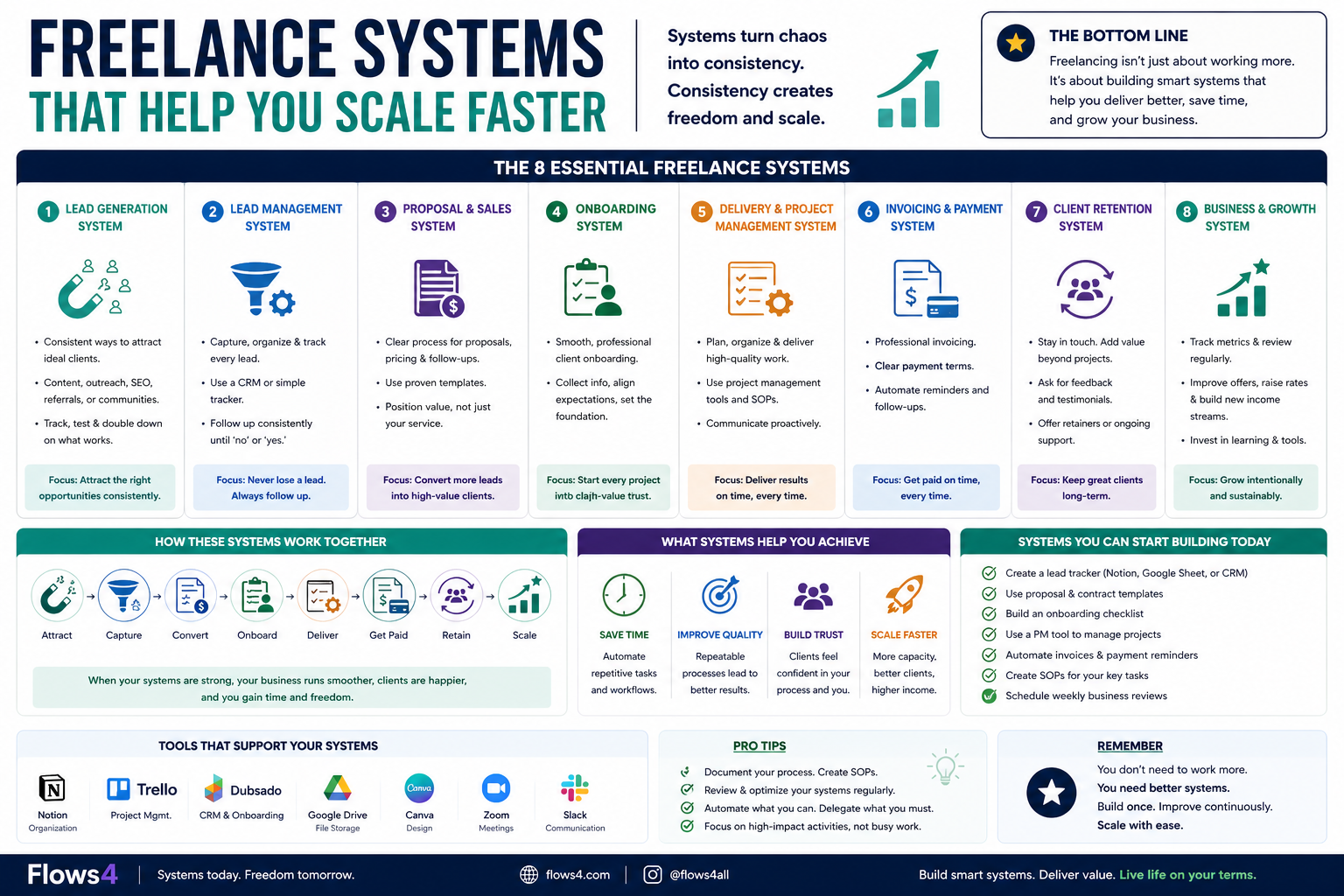
Creating a content idea bank is a fundamental step for content creators aiming to streamline their content creation workflow. However, the effectiveness of an idea bank largely depends on how well it is organized. Various tools and applications exist that can assist in managing a repository of content ideas for creators, ensuring that no idea is lost in the ether of brainstorm sessions.
One such tool is Notion, which offers a versatile workspace that enables users to compile and categorize their content ideas. It allows creators to filter ideas based on different criteria, such as project status or due dates, making it easier to prioritize content ideas. Its database capabilities foster a seamless organization of notes, images, and links that can inspire future articles or multimedia content.
Trello, on the other hand, uses a card-based system perfect for visual learners. It allows users to create boards for different content types and move ideas through various stages of development. This visual representation of the content creation workflow not only provides clarity but also encourages collaboration among multiple creators, fostering a community environment for idea sharing.
Furthermore, many creators appreciate the simplicity of Google Sheets. This spreadsheet application can be customized to create lists of content ideas categorized by topics, deadlines, or platforms. It promotes accessibility and collaboration, as it can be shared easily among team members, ensuring that everyone involved in the content creation process is on the same page.
In addition, integrating these tools into your organization strategy can significantly improve the accessibility and functionality of your content idea bank. Adopting a system where ideas are stored categorically or prioritized can save valuable time, allowing creators to focus on content development rather than idea generation alone. Ultimately, leveraging these tools can enhance how to organize content ideas effectively and sustainably.
Integrating Your Idea Bank into a Content Workflow
Effectively incorporating a content idea bank into your overall content creation workflow can enhance your efficiency and enable you to maintain a steady stream of content. To begin with, it’s essential to establish a clear connection between idea generation and planning. A well-organized content idea bank serves as the foundation for your content calendar, allowing creators to seamlessly transition from brainstorming to execution.
A content idea bank functions as a repository where you can store various creator content ideas. These ideas can stem from personal experiences, audience feedback, or industry trends, and should be categorized effectively for easy retrieval. By integrating this organized system into your ongoing content creation workflow, you can foster a more proactive approach to content generation. When a new idea is recorded, it is crucial to assess its relevance to your intended audience and the overall content strategy.
This initial step sets the stage for how to organize content ideas into actionable plans. Utilize your idea bank not only for individual pieces but also for developing overarching themes or series. Doing so allows you to see the bigger picture of your content strategy, helping you maintain consistency in tone and messaging. Furthermore, regularly revisiting and updating your idea bank ensures that it remains relevant to your evolving audience and market trends.
Have a look at what’s trending.
Once your ideas are categorized, integrate them into your content calendar. This will promote a regular output schedule, ensuring that you leverage your content ideas effectively. Scheduled posts based on well-curated ideas from your idea bank enable a balanced and timely delivery of content, allowing for strategic planning and execution.
In conclusion, a content idea bank is not merely a collection of random thoughts but a strategic asset that, when organized correctly, feeds directly into your content creation workflow, allowing you to produce engaging and timely content efficiently.
Once ideas are scheduled in your calendar, creators often use content batching to produce multiple pieces of content efficiently.
Case Studies: Successful Content Banks in Practice
Content idea banks have been a vital resource for numerous creators and brands looking to maintain a steady flow of engaging material. One notable example is HubSpot, a company renowned for its marketing resources. HubSpot has developed a robust content idea bank through meticulous organization and categorization of content ideas. Their strategy often involves breaking down ideas into themes, such as inbound marketing, social media strategies, and SEO techniques. This structure allows their team to quickly identify relevant topics aligned with current trends, ensuring that they consistently produce high-quality content that resonates with their audience.
Another successful case is Buffer, a social media management platform that has effectively utilized its content idea bank to address pressing issues within the digital marketing landscape. By leveraging audience insights and industry research, Buffer curates a collection of content ideas that focus on practical tips and tutorials. Their systematic approach enables the team to efficiently prioritize topics, ensuring that their content creation workflow is both organized and innovative. Buffer’s consistent delivery of valuable content has helped them position themselves as thought leaders in the competitive field of social media marketing.
These examples illustrate the importance of a well-maintained content idea bank. Other creators have adopted similar practices by utilizing tools like Trello or Notion to organize content ideas effectively. By categorizing and updating their banks regularly, these creators prevent brainstorming fatigue and ensure that their content remains fresh and engaging. Such strategies not only work for large brands but can also inspire individual creators looking for creator content ideas that will resonate with their audience.
In conclusion, implementing a content idea bank requires careful planning and execution, but the results can be profoundly impactful. The case studies of HubSpot and Buffer showcase how maintaining a repository of content ideas can lead to sustained creativity and a successful content strategy.
Conclusion and Next Steps
Building a content idea bank is an essential strategy for any creator seeking to maintain a consistent output of material. By developing a structured repository for content ideas, creators can significantly enhance their productivity and creativity. This approach not only alleviates the stress associated with content creation but also fosters a continuous flow of inspiration, allowing for the exploration of a wide array of topics.
To begin constructing your own content idea bank, consider utilizing diverse formats and sources for your ideas. For example, jot down thoughts during conversations, summarize articles that inspire you, or keep a running list of content ideas from industry news. By engaging with various media and communities, you will expand your perspective and yield richer content ideas for creators.
Maintaining momentum in idea collection is vital. Schedule regular intervals to review and refine your content ideas, ensuring that you are integrating current trends while also revisiting and modifying older concepts. This practice not only keeps your ideas fresh but also aligns them with your evolving interests and those of your audience.
Finally, cultivating a growth mindset is crucial for a fruitful content creation workflow. Embrace experimentation and be open to feedback. Understand that not every idea will evolve into a successful piece, but each attempt contributes to your overall development. Encourage yourself and your peers to share insights and celebrate small victories along the way. By doing so, you will not only enhance your skills but also create an encouraging environment for fellow creators.
In conclusion, building a content idea bank is an ongoing journey that involves consistent effort and adaptability. Make the commitment to cultivate your repository, and you’ll find that inspiration flourishes, ensuring a continual flow of creator content ideas.