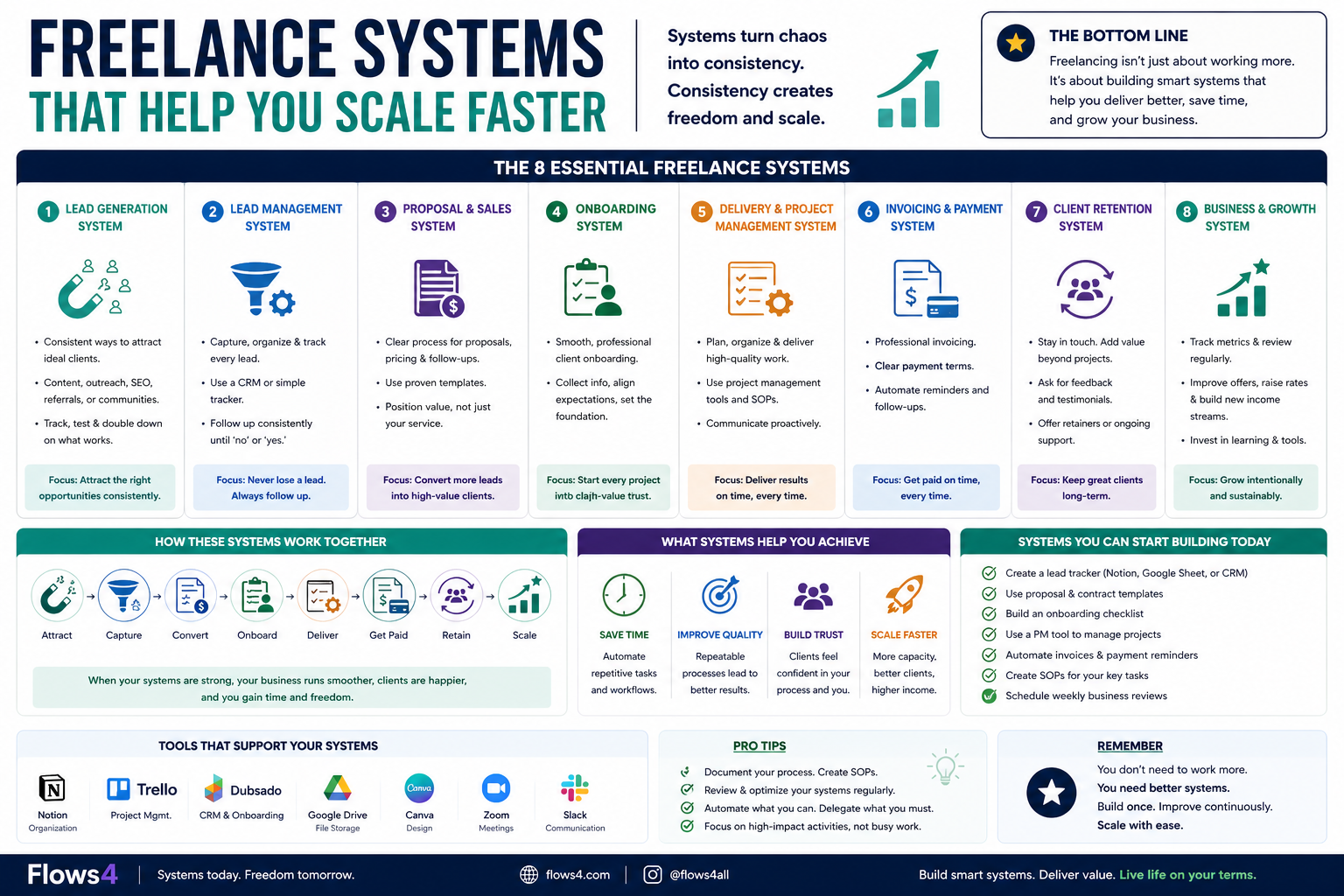
Understanding Personal Brand Growth Platforms
Choosing the best platforms for personal brand growth is crucial for making sure that you find your audience and deliver the right message at the right time.
Personal brand growth platforms are online spaces where individuals can effectively build, promote, and enhance their unique identities. These platforms serve as essential tools for creators, freelancers, and solopreneurs in establishing and cultivating their personal brands. The significance of these platforms lies in their ability to connect individuals with target audiences, fostering meaningful relationships that can lead to increased visibility and engagement.
In essence, personal brand growth platforms encompass social media networks, content-sharing websites, and other digital environments that facilitate the expression of an individual’s expertise, values, and offerings. By leveraging these platforms, users can share their knowledge, showcase their work, and present their perspectives on relevant topics. This not only aids in personal brand visibility but also serves to build credibility and trust among peers and potential clients.
The role of these platforms has grown increasingly important, particularly in an era where digital presence directly influences professional opportunities. For creators and freelancers pursuing personal brand growth, these platforms provide the means to highlight their unique talents and establish authority in their chosen niches. Furthermore, they permit engagement with audiences through feedback, comments, or shares, thus enhancing interaction and broadening one’s reach.
As we enter 2026, understanding how to navigate and utilize personal brand growth platforms will be paramount. Adapting to trends and user preferences will enable individuals to remain relevant within their industries, allowing them to promote their personal brands effectively. The evolving landscape of online engagement not only emphasizes the necessity of presence on these platforms but also underscores the potential benefits that come with strategic personal brand growth.
This is part of your personal brand growth strategy.

Related Guides
Why Choosing the Right Platform Matters
Selecting the right platform for personal brand growth is a crucial decision that can greatly influence the trajectory of your professional journey. In today’s digital age, where numerous platforms cater to diverse audiences, the effectiveness of your branding efforts hinges upon matching your content with the appropriate medium. A well-chosen platform amplifies your reach, allowing you to engage a broader audience whose interests align with your expertise and offerings.
Diverse platforms such as social media, blogging websites, and professional networks offer unique advantages. For instance, platforms like LinkedIn are well-suited for B2B engagement and professional networking, while Instagram excels in visual storytelling. By understanding the nuances and audience demographics of each platform, individuals can tailor their approach for maximum impact. This strategic selection can lead to enhanced engagement, as it allows you to connect with your target demographic more effectively.
Furthermore, the right platform serves as an extension of your brand identity, mirroring your content style and personality. When your platform resonates with your branding, you foster authenticity, which is crucial in building trust and credibility with your audience. This aspect of brand loyalty can lead to increased visibility and recognition, ultimately aiding in the achievement of your professional objectives.
In conclusion, the importance of selecting the right platform cannot be overstated. It is not merely about choosing a popular medium, but rather finding a space that complements your branding strategy and enhances your engagement with the audience that matters most. By making informed choices about where to focus your efforts, you can significantly boost your personal brand growth in the coming years.
Overview of Major Platforms
As personal branding continues to evolve, understanding the major platforms available for this purpose is crucial for individuals looking to establish or enhance their online presence. In 2026, several platforms stand out, each catering to different audiences and content formats.

TikTok has solidified its position as a powerhouse for short-form video content, attracting a predominantly younger demographic. With its algorithm favoring creativity and engagement, TikTok enables users to go viral, showcasing their personality and skills effectively. Its unique features such as duets, challenges, and filters facilitate interaction, making it an ideal space for personal branding.
Instagram remains a staple for visual content, allowing users to share photos, videos, and Stories. With a diverse age group using the platform, Instagram offers tools like reels and IGTV for longer content, making it versatile for branding efforts. The visual-centric approach helps users communicate their brand’s aesthetic directly to their audience.
YouTube, known for its extensive video hosting capabilities, serves as a platform for in-depth storytelling and tutorials. Its user base spans various demographics, presenting opportunities for personal brands to connect with a larger audience through engaging video content. The platform’s monetization options through ads and memberships also provide financial benefits.

Twitter/X provides a microblogging format ideal for real-time updates and discussions. It is favored for its immediate nature, enabling personal brands to engage in trending topics and connect with followers directly through tweets and threads.
LinkedIn focuses on professional networking and serves as a critical platform for personal branding in business contexts. Facilitating connections with industry peers and showcasing professional achievements makes it vital for career-focused branding.
Finally, Newsletters have gained popularity as a direct means of communication with an engaged audience. By providing valuable insights and personal updates via newsletters, individuals can establish a loyal following that appreciates deeper engagement.
Quick Comparison: Best Platforms for Personal Brand Growth
In the pursuit of personal brand growth, selecting the right platform can significantly influence your success. Within the diverse landscape of social media and content-driven platforms, some stand out based on specific criteria. Below is a comparative overview of major platforms tailored for personal branding, emphasizing critical factors like use case, content type, growth speed, and monetization potential.
| Platform | Best For | Content Type | Growth Speed | Monetisation |
|---|---|---|---|---|
| TikTok | Fast growth | Short video | Very fast | Medium |
| Visual brands | Reels + posts | Fast | Medium | |
| YouTube | Authority | Long-form video | Medium | High |
| X (Twitter) | Ideas & writing | Text | Medium | Low |
| Professional brands | Text + posts | Medium | High | |
| Newsletter | Ownership | Slow | Very high |
Utilizing this comparison allows individuals to ascertain which platform aligns best with their personal brand goals for 2026, thereby streamlining their growth strategies.
Pros and Cons of Each Platform
As we delve into the various platforms available for personal brand growth in 2026, it is crucial to evaluate the advantages and disadvantages of each. Understanding these factors can help creators make informed decisions about where to invest their time and resources.
Firstly, platforms like Instagram and TikTok emphasize visual content, making them highly engaging for audiences. The potential for virality on these platforms is significant, as users can easily share content with their networks, leading to exponential reach. However, the need for high-quality visuals and video production can be daunting for new creators who may lack the necessary skills or tools.
On the other hand, LinkedIn is tailored for professional networking and business growth. It provides an excellent opportunity to connect with industry leaders and potential clients. The content requirements here lean more towards professional insight and thought leadership. However, this specialized nature may limit audience engagement, as it attracts a more niche group compared to broader platforms.
Additionally, platforms like YouTube offer robust opportunities for monetization once a creator meets specific criteria. This can provide a sustainable income stream, appealing to serious content creators. Yet, producing high-quality videos can be time-consuming and requires a steep learning curve if one lacks technical experience.
Furthermore, newer platforms like Clubhouse appeal through audio-based discussions, fostering engagement through active participation. However, the ephemeral nature of audio content may not lend itself to long-term brand visibility compared to more permanent mediums.
Ultimately, each platform presents unique benefits and challenges. By weighing these pros and cons, creators can position their personal brand where it will thrive in the evolving digital landscape of 2026.
Which Platform is Best for Beginners
When embarking on the journey of personal brand growth, selecting the right platform is critical, especially for beginners. Among the myriad of options available, social media networks such as Instagram, Facebook, and TikTok stand out for their user-friendly interfaces and inclusive community support, making them ideal for those new to building a personal brand.
Instagram, primarily centered on visual content, allows beginners to quickly adapt by simply sharing images and short videos. The platform’s increasing emphasis on reels and stories caters to the evolving landscape of content consumption, while its comprehensive educational resources, such as Instagram for Business, assist novices in navigating the initial learning curve. Furthermore, engaging with the extensive user community can foster connections and collaborations, enhancing one’s brand visibility.
Facebook also provides a solid foundation for brand building, particularly for those focused on reaching diverse demographics. With features such as Groups and Pages, it enables users to cultivate a community around shared interests. The platform’s robust support resources, including tutorials and live help options, further ease the onboarding process for beginners. Additionally, the engagement metrics available on Facebook can guide newcomers in refining their content strategies based on audience interaction.
TikTok, while newer, has rapidly gained popularity as a creative outlet for personal branding. Its algorithm prioritizes content discovery, offering beginners an unprecedented opportunity to reach large audiences without requiring a substantial following. The platform’s emphasis on authenticity allows users to express their personalities freely while participating in trends that can organically boost visibility.
Ultimately, while each of these platforms presents unique advantages, Instagram and Facebook are particularly beneficial for those starting, providing a combination of ease of use, instructional resources, and a supportive community atmosphere that encourage personal brand development.
Identifying the Best Platform for Personal Brand Growth
As we look to 2026, identifying the best platform for personal brand growth is crucial for anyone looking to amplify their reach and engage with a wider audience. Social media platforms continue to evolve, and understanding their unique characteristics and user engagement dynamics can provide significant advantages. Currently, there are several platforms warranting attention for their growth potential.
One of the leading contenders for personal brand growth is TikTok, which has captured global attention with its algorithm-driven content visibility. TikTok’s focus on short-form video content not only enhances user engagement but also promotes virality. This characteristic allows even accounts with fewer followers to gain traction when their content resonates with audiences. Leveraging popular trends and engaging challenges is an effective growth hack within the TikTok environment.
In contrast, Instagram remains an established platform with robust features aimed at personal branding. The introduction of tools like Reels, which prioritize video content similar to TikTok, underscores the platform’s commitment to evolving in a competitive landscape. Instagram’s algorithm also tends to favor consistent engagement, encouraging users to cultivate an active online presence and utilize stories, posts, and live sessions to connect authentically with their followers.
Moreover, LinkedIn has emerged as a powerful platform for professionals looking to expand their personal brands within industry-specific circles. The networking opportunities provided by LinkedIn, coupled with its focus on professional content, allows users to position themselves as thought leaders in their respective fields.
In summary, while TikTok and Instagram stand out for their broad audience engagement, LinkedIn encloses a niche yet influential sphere for professional growth. Identifying the right platform will ultimately depend on the individual’s branding goals and target audience demographics. By understanding the strengths and peculiarities of each platform, personal brands can tailor their strategies for maximum effect and growth.
Evaluating Monetization Options Across Key Platforms
In the realm of personal branding, the choice of platform significantly influences monetization potential. Among the various platforms available, social media, blogging, and video-sharing sites have emerged as frontrunners for individuals looking to generate income. Each platform has unique monetization strategies and opportunities that can facilitate personal brand growth and financial gain.
One of the most popular platforms for monetization is YouTube. Video content creators can earn through various methods, including ad revenue, channel memberships, Super Chats during live streams, and sponsorship deals. The YouTube Partner Program allows creators to monetize their videos after reaching specific eligibility criteria, thus providing a steady income stream for those who consistently engage their audience. Additionally, YouTube’s vast user base offers extensive visibility, essential for brand expansion.
On the other hand, Instagram serves as a visually-driven platform where influencers and brands can collaborate effectively. With the rise of Instagram Shopping, users can integrate purchasing options directly into their posts, benefiting e-commerce brands greatly. Sponsored posts and affiliate marketing have also become valuable monetization methods for users who create visually appealing and engaging content. Thus, Instagram perfectly blends personal branding with commercial opportunities.
Further, traditional blogging remains a noteworthy platform for monetization. Bloggers can utilize a combination of affiliate links, ad networks like Google AdSense, sponsored content, and digital product sales. The versatility of blogging allows for extensive content creation, creating a nuanced approach toward engaging an audience while driving brand loyalty.
In summary, determining which platform is best for monetization depends on the creator’s strengths and target audience. Platforms like YouTube, Instagram, and blogging each offer unique strategies that can be tailored to enhance personal branding efforts. By understanding and leveraging these options, individuals can maximize their monetization potential in 2026 and beyond.
Should You Focus on One Platform or Many?
When it comes to personal branding in the digital age, one of the fundamental decisions creators face is whether to concentrate their efforts on a single platform or diversify their presence across multiple channels. Each approach has its own advantages and challenges that can significantly impact a brand’s growth trajectory.
Focusing on one platform allows creators to develop deep expertise and build a highly engaged audience. By concentrating all resources—time, content creation, and brand messaging—on a single platform like Instagram, YouTube, or LinkedIn, individuals can maximize their effectiveness. This strategy enables the creation of a more cohesive brand identity, as content can be tailored to fit the nuances of that particular platform. For example, fashion influencers might thrive on visually-driven platforms such as Instagram or Pinterest, where vibrant imagery is essential to audience engagement.
On the other hand, spreading efforts across multiple platforms can lead to broader reach and diversification of audience demographics. Engaging with various platforms such as a website, blog, social media sites, and email newsletters can create a more robust personal brand. By leveraging different content types—such as videos, blog posts, and infographics—creators can appeal to different segments of their audience and increase their visibility. This approach is particularly effective in scenarios where audience behavior varies across platforms; for instance, younger users may prefer TikTok, while professionals might gravitate towards LinkedIn.
Ultimately, the decision should be informed by individual goals and target audience. Creators may choose to initially focus on one platform to establish their brand before gradually expanding to others. Analyzing engagement metrics and audience interaction can guide this transition between strategies, ensuring effective brand growth tailored to market demands.
A Simple Platform Strategy Creators Can Follow
In the rapidly evolving landscape of personal branding, creators must adopt a strategic approach to effectively leverage various platforms available for growth. To begin with, identifying the right platforms tailored to your audience and niche is essential. Conduct research to understand where your target audience spends their time, whether on social media platforms like Instagram or LinkedIn, or content-sharing sites like YouTube and Medium. This initial step ensures that your efforts are concentrated where they will yield the highest return.
Once the appropriate platforms have been identified, the next stage involves setting specific and measurable goals. This could range from achieving a certain number of followers, increasing engagement rates, or boosting website traffic. Utilizing the SMART criteria (Specific, Measurable, Achievable, Relevant, Time-bound) can help shape these objectives effectively.
With goals established, create a content calendar that outlines what you will post, when, and on which platforms. This structured approach aids in maintaining consistency across your branding efforts, an essential component for building recognition and authority. Each piece of content should be crafted to resonate with your audience, reflecting your unique voice and values while aligning with platform-specific trends.
Additionally, measuring success is crucial in ascertaining the effectiveness of your strategy. Utilize analytical tools available on most platforms to track engagement metrics, audience growth, and content reach. Regularly review this data to assess performance against your established goals. Adapt your strategy based on insights gained from these evaluations, enabling you to refine your approach continuously.
By following this straightforward strategy, creators can effectively channel their efforts across various platforms, enhancing their personal brand growth and ensuring sustained success in 2026 and beyond.