Why You Should Never Use PLR As-Is
Learning how to edit PLR content properly is the difference between something that sells — and something that gets ignored.
Private Label Rights (PLR) content can be advantageous for content creators, providing a foundation upon which unique materials can be built. However, utilizing PLR content without any modifications poses significant risks, leading to various detrimental outcomes. First and foremost, the primary danger of using PLR as-is is the issue of duplicate content. Search engines prioritize original and unique content, so if multiple websites utilize the same PLR material, there is a high likelihood that such content will be penalized or deemed lower in search rankings. This can ultimately reduce visibility and audience engagement.
Furthermore, employing PLR content directly can result in a glaring lack of authenticity. Authenticity is a critical factor that influences customers’ trust in a brand. When potential customers encounter content that appears generic or recycled from numerous sources, they may question the credibility of the business. In an era where personalization and unique perspectives are highly valued, failing to personalize PLR content can make one’s offerings seem underwhelming and unoriginal.
Additionally, by not tailoring PLR to align with a brand’s voice and values, there is a substantial risk of damaging one’s brand reputation. Content is often the first point of interaction for potential customers, and if they perceive it as insipid or disingenuous, it could lead to a negative impression. The absence of a unique angle or personal touch does not resonate with audiences seeking genuine engagement. Therefore, it is paramount to view PLR content as a starting point—always requiring thoughtful modifications to elevate it to something meaningful and reflective of the brand’s identity. Ultimately, failing to modify PLR content can undermine both the quality of the content and the overall brand perception.
This is part of the PLR Content Guide: PLR Content Guide: How to Use PLR to Create and Sell Digital Products.
What Rebranding Actually Means
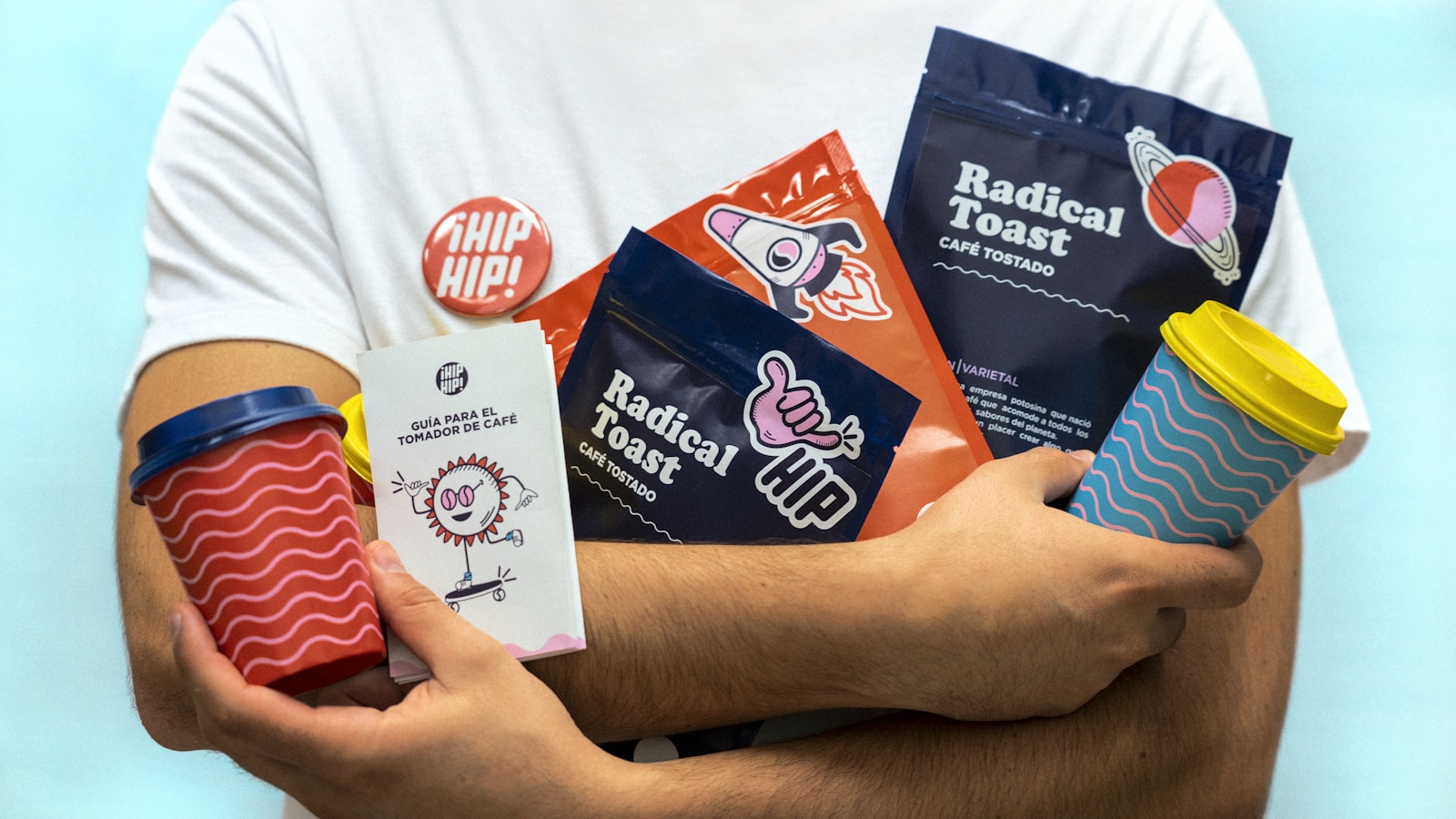
Rebranding is a multifaceted process that transcends merely changing a title or cover design. It involves a comprehensive transformation of a product or service, aimed at aligning it with the unique voice, values, and preferences of a target audience. True rebranding means reshaping the original material to reflect not only the branding aesthetic but also the principles and ethos of your brand.
When dealing with Private Label Rights (PLR) content, many creators make the common mistake of assuming that a simple title change suffices for rebranding. However, neglecting the core content while merely revising titles or images can result in products that fail to connect with buyers. Buyers today are increasingly discerning; they seek authenticity and originality. A superficial rebranding approach might lead to a lack of engagement, ultimately impacting sales and brand reputation.
To genuinely resonate with an audience, rebranding PLR content should involve a thorough evaluation of the existing material. This includes revising the text to infuse it with your personality, ensuring that your perspectives and insights shine through. Additionally, it’s vital to adapt the content’s tone to better connect with the intended audience. What might work for one demographic may not be suitable for another, and aligning your message with audience expectations is crucial.
Furthermore, consider incorporating additional research, insights, and examples that reflect your unique experiences. This will not only enhance the content’s value but also create a stronger bond with your audience. By adopting a holistic approach to rebranding, you ensure that your offerings are distinctive, thereby increasing their appeal and overall profitability.
The Step-by-Step Process to Edit PLR Content
Editing Private Label Rights (PLR) content to make it unique and profitable involves a systematic approach. Start by carefully reading through the PLR material to understand its core message and structure. This foundational step will allow you to identify areas that require significant changes to align the content with your voice and perspective.
If you don’t have PLR content yet, you can start with an idea using this simple guide.
Once you have familiarized yourself with the content, the first practical step is to rewrite and simplify the text. The goal here is to strip away any jargon or overly complex language that might alienate your target audience. Consider using simpler terms or rephrasing sentences to enhance clarity. Personalize the content by incorporating your experiences or insights, which can resonate with readers and establish a connection.
Next, analyze the structure and formatting of the PLR content. Effective content structure facilitates better comprehension. Break down long sections into shorter paragraphs, use bullet points for lists, and incorporate headers and subheaders for easy navigation. This not only improves readability but also makes the content more engaging.
Updating any outdated information is also crucial. Check dates, statistics, or references mentioned in the text. Integrate the most current data and trends related to the topic. This not only provides value to your audience but also increases the credibility of your edited PLR content.
Furthermore, consider adding new sections that can provide additional insights. For example, if the original PLR content discusses techniques, you may choose to incorporate a section on modern tools or methods that enhance those techniques. This infusion of unique information will set your version apart and add depth.
Finally, perform a thorough proofreading to ensure there are no grammatical errors or typos. Taking these steps will result in a well-edited, unique, and ultimately profitable piece of content that aligns with your brand persona.

Transforming PLR into a Unique Product
Transforming Private Label Rights (PLR) content into a unique product requires a multi-faceted approach that prioritizes originality and value addition. First and foremost, it is essential to rework the text itself. This can be done by paraphrasing, reorganizing sections, and incorporating your own insights or experiences to give the content a fresh perspective. Not only does this help eliminate the generic feel that often accompanies PLR, but it also adds your authentic voice to the material.
In addition to textual modifications, consider enhancing your product with original graphics. Custom illustrations, infographics, or professionally designed layouts can significantly elevate the appeal of your content. Visually engaging materials capture attention and can make complex ideas more digestible, thereby enriching the customer experience. Tools such as Canva or Adobe Spark can be useful for creating visually striking designs that resonate with your brand.
Further, providing added resources, such as worksheets, printables, or exclusive access to online communities or webinars, can set your product apart. These bonuses not only augment the value proposition but also enhance the customer’s journey, fostering a stronger connection with your brand.
When positioning your rebranded product in the marketplace, focus on defining your target audience and tailoring your messaging accordingly. Highlight the unique features and benefits of your product, emphasizing how it solves specific problems or fulfills needs that competitors may overlook. Craft compelling sales descriptions and utilize SEO strategies to improve visibility online. By doing so, you can effectively carve out a niche for your unique offering, setting it apart from standard PLR products.
Tools That Make Editing PLR Faster
Editing Private Label Rights (PLR) content can be a time-consuming process, but with the right tools, you can accelerate the workflow while ensuring originality. One of the most valuable resources available is AI writing tools. These platforms, such as Jasper and Copy.ai, can assist in generating new ideas, modifying existing content, and even rewriting sections to enhance readability. By utilizing these tools, you can produce unique content faster by merely providing a few keywords or prompts, allowing the AI to handle the heavy lifting.
An essential component of content-editing is the use of graphic design platforms, particularly Canva. This user-friendly interface allows you to create visually appealing graphics, infographics, and presentation materials to complement your PLR content. With a vast library of templates and design elements, you can quickly customize visuals that align with your brand’s identity, helping to make the overall product more attractive and marketable.
For effective organization, productivity apps, such as Trello and Notion, play a key role in managing your editing process. These tools enable you to structure your tasks, set deadlines, and collaborate with team members seamlessly. By organizing your workflow, you enhance accountability and can more easily track progress, which is vital when dealing with multiple pieces of PLR content.
Additionally, grammar-checking and proofreading tools, like Grammarly and Hemingway Editor, are invaluable in ensuring your final content is polished and professional. They help identify grammatical errors, suggest style improvements, and enhance the overall clarity of your writing.
In conclusion, leveraging these tools not only makes editing PLR content faster but also enhances the quality of the final product, ensuring it stands out in the marketplace.
How Much You Actually Need to Change
When it comes to editing PLR (Private Label Rights) content, understanding how much change you need to implement is crucial for achieving realistic outcomes. Many individuals embarking on this journey often harbor misconceptions about the extensive nature of rebranding. Some believe that simply changing a few words or replacing images is sufficient to render the content unique. However, this is often far from the truth.
In reality, the amount of modification required varies based on the original quality of the PLR material and the desired end product. A common starting point is to ensure that the content aligns with your target audience and reflects your tone of voice. This can involve rewriting sections, adding personal anecdotes, or incorporating fresh insights to create a more engaging narrative.
Moreover, while it may be tempting to overhaul the entire piece, it’s essential to strike a balance between quality and efficiency. Over-editing can lead to burnout and an unnecessarily lengthy editing process. A pragmatic approach is to focus on the key areas that will enhance the content’s value. For example, consider updating statistics or replacing dated references, as these adjustments can significantly improve relevance without overwhelming yourself.
Another important factor to keep in mind is the purpose of the content. If the goal is to provide valuable information, the changes should aim to enhance understanding and applicability. Thus, rather than measuring success solely by the volume of changes made, consider the effectiveness of the edits in delivering fresh insights and perspectives.
Ultimately, the key to successful rebranding of PLR content lies in setting realistic expectations. By understanding the extent of changes necessary, you can ensure that the content not only remains valuable but also resonates with your audience while being efficient in your editing process.
When you feel ready to start selling, head over to this guide to learn how.

Common Mistakes When Editing PLR
Editing Private Label Rights (PLR) content presents numerous opportunities, yet frequent pitfalls can impede efforts to turn it into unique and profitable material. One common mistake is the failure to address SEO needs adequately. Often, creators rush through the editing process without recognizing the importance of keyword optimization, which helps improve search engine rankings. Ignoring title tags, metadata, and header structure can greatly diminish content visibility, thereby limiting its potential reach.
Another significant error is the lack of original insights. Simply rephrasing PLR material does not make it unique. It is crucial to integrate personal experiences, observations, or data to enrich the content. This not only enhances authenticity but also fosters a deeper connection with the audience, as they are more likely to engage with content that reflects original thought and expertise. Relying solely on repackaged information can render the content bland and forgettable, failing to distinguish it from other sources.
Moreover, rushing the editing process can drastically undermine content quality. This can lead to missed typos, grammatical errors, or inconsistencies that can evoke a sense of unprofessionalism. Taking the necessary time to thoroughly review PLR content allows for a fine-tuning process that enhances readability and clarity, ultimately impacting user experience positively.
| Editing Steps | What to Change | Time Estimate | Impact on Content Quality |
|---|---|---|---|
| 1. Keyword Integration | Add relevant keywords and optimize for SEO | 1 hour | Increases search visibility |
| 2. Add Original Insights | Insert personal experiences or unique data | 1-2 hours | Enhances content uniqueness |
| 3. Comprehensive Review | Proofread and check for consistency | 2 hours | Improves overall professionalism |
Recognizing these common mistakes is the first step toward producing high-quality, edited PLR content that stands out in a crowded market.
A Simple System to Consistently Improve PLR Content
To ensure the continuous improvement of PLR content, adopting a straightforward and repeatable editing system is essential. This system not only enhances the quality of the content but also increases its profitability by making it more engaging and relevant to your target audience. The first step in this system is to develop a comprehensive editing checklist. This checklist should include key elements such as clarity, accuracy, uniqueness, and optimization for specific keywords like ‘how to edit PLR content.’ By breaking down the editing process into actionable items, you can systematically address areas that require attention while maintaining focus on your content goals.
Regular updates based on feedback are another critical aspect of this improvement system. Feedback from your audience can provide invaluable insights into what works and what doesn’t. Setting up a mechanism to collect, analyze, and implement this feedback will foster an adaptive approach, allowing you to make necessary adjustments over time. This can involve minor tweaks or substantial revisions based on user suggestions or changing market trends.
Furthermore, content optimization for targeted keywords must be an integral part of your editing process. Start by conducting thorough keyword research in your niche to discover terms that resonate with your audience. Ensure that your PLR content incorporates these keywords naturally, helping improve its visibility and performance in search engines without compromising the readability and flow of the text. This not only enhances user engagement but also contributes favorably to your SEO efforts.
By utilizing an editing checklist, incorporating audience feedback, and optimizing your PLR content for specific keywords, you will create a sustainable system that consistently results in improved and unique content. This structured approach will not only save you time but also provide clarity in your editing process, leading to higher quality and more profitable end products.
Frequently Asked Questions about Rebranding PLR Content
Rebranding Private Label Rights (PLR) content can pose several questions for those looking to enhance their content strategy. Here, we address some of the most common concerns related to this practice.
1. Is it legal to rebrand PLR content?
Yes, it is legal to rebrand PLR content. By purchasing PLR, you obtain the rights to modify, rebrand, and resell the material. However, it is essential to read the original licensing agreement carefully, as some PLR providers may impose specific restrictions. Understanding these terms will help ensure that you use the content compliantly.
2. How can I source quality PLR content?
Finding high-quality PLR content requires careful evaluation. Look for reputable PLR providers who offer content that resonates with your niche and audience. Consider checking reviews, sample content, and the experience of the provider. Additionally, quality should be prioritized over quantity when selecting PLR products to ensure you get the most value from your investment.
3. How do I maintain originality while rebranding?
Striking a balance between rebranding and originality is crucial. To achieve this, consider customizing the title, adding personal insights, or integrating anecdotal experiences into the content. Changing the format, such as converting articles into podcasts or videos, can also help maintain a fresh perspective. The goal is to enhance the content while preserving its core message, which ensures it remains appealing to your target audience.
4. What strategies can I implement to ensure the content retains value?
To ensure that rebranded PLR content retains its value, focus on adding unique elements and aesthetics that align with your brand identity. Implement comprehensive research to update facts and statistics, and incorporate SEO strategies to enhance discoverability. Providing actionable insights and maintaining an engaging tone can significantly elevate the quality of content, making it more valuable for your audience.