Ghostwriting has always been about speed, clarity, and adaptability. You’re writing in someone else’s voice, often on tight deadlines, across industries you don’t always live and breathe. That’s where AI tools for ghostwriters have gone from “nice-to-have” to “how did I ever work without this?”
If you’re a freelancer trying to juggle multiple clients, hit deadlines faster, and still deliver quality work, the right AI writing tools can seriously level up your workflow.
This guide breaks down the top 10 AI tools for ghostwriters, what they’re best at, and how to use them without sacrificing originality or voice.

Why Ghostwriters Should Care About AI Writing Tools
Before we dive into the list, let’s clear something up: AI isn’t here to replace ghostwriters. It’s here to handle the heavy lifting so you can focus on strategy, storytelling, and tone.
Used correctly, AI tools for ghostwriters can help you:
- Research unfamiliar topics faster
- Generate outlines and first drafts in minutes
- Adapt writing style to match different client voices
- Beat writer’s block on demand
- Edit and refine content at scale
Think of AI as your silent co-writer who never sleeps.
1. ChatGPT
Best for: Ideation, drafting, rewriting, and client voice adaptation
ChatGPT is easily one of the most flexible AI writing tools available. For ghostwriters, its biggest strength is versatility. You can prompt it to write in a specific tone, mimic a client’s past content, or help brainstorm angles when you’re stuck.
Why ghostwriters love it:
- Excellent for long-form drafts
- Easy to refine tone with prompts
- Great brainstorming partner
Pro tip: Feed it writing samples from your client and ask it to “learn” the voice before drafting.
2. Jasper

Best for: Marketing content and brand-aligned writing
Jasper is built with professional writers in mind, especially those working on commercial and brand content. It excels at structured outputs like blog posts, landing pages, and email sequences.
Standout features:
- Brand voice memory
- Pre-built templates for content types
- Strong long-form assistant
This is one of the more polished AI tools for ghostwriters working with corporate or startup clients.
3. Copy.ai

Best for: Short-form content and fast drafts
Copy.ai is perfect when speed matters more than depth. If you’re ghostwriting social posts, email subject lines, or quick blog intros, this tool gets you 80% of the way there instantly.
Why it’s useful:
- Extremely fast outputs
- Minimal prompting required
- Ideal for volume-based freelance work
It pairs well with deeper tools like ChatGPT for polishing.
4. Writesonic

Best for: SEO-focused blog content
Writesonic leans heavily into search-friendly content, making it a solid option if you ghostwrite blogs for content-driven businesses.
Key benefits:
- Built-in SEO optimization
- Article outlines and FAQs
- Supports long-form writing
If ranking content is part of your value proposition, this AI writing tool deserves a spot in your stack.
5. Grammarly
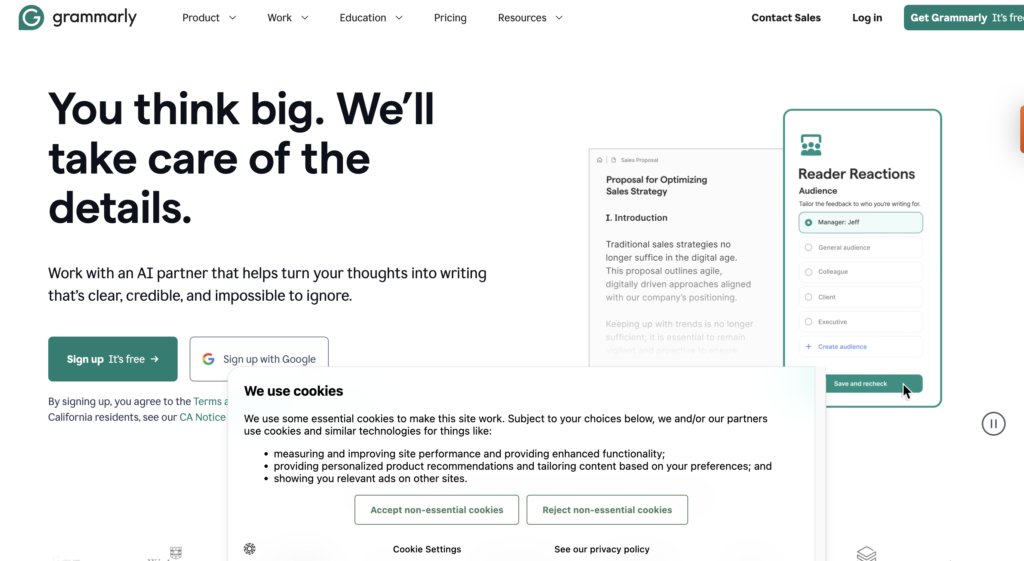
Best for: Editing, tone, and clarity
Grammarly isn’t a drafting tool, but no ghostwriter should be without it. It catches errors, improves sentence flow, and even flags tone mismatches.
Why it matters for ghostwriters:
- Ensures professional polish
- Helps maintain client tone
- Saves editing time
Think of it as quality control for everything you write.
6. Notion AI
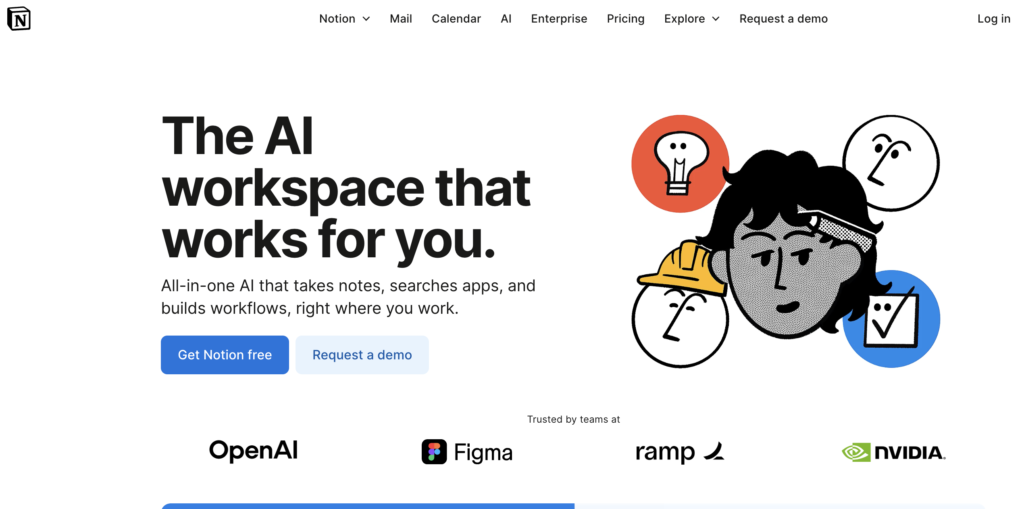
Best for: Organizing projects and refining content
Notion AI shines when you’re managing multiple clients and documents. It can summarize notes, rewrite sections, and help structure ideas inside your workspace.
Useful for:
- Content planning
- Brief breakdowns
- Rewriting rough drafts
It’s not the strongest writer—but it’s a fantastic support tool.
7. Sudowrite
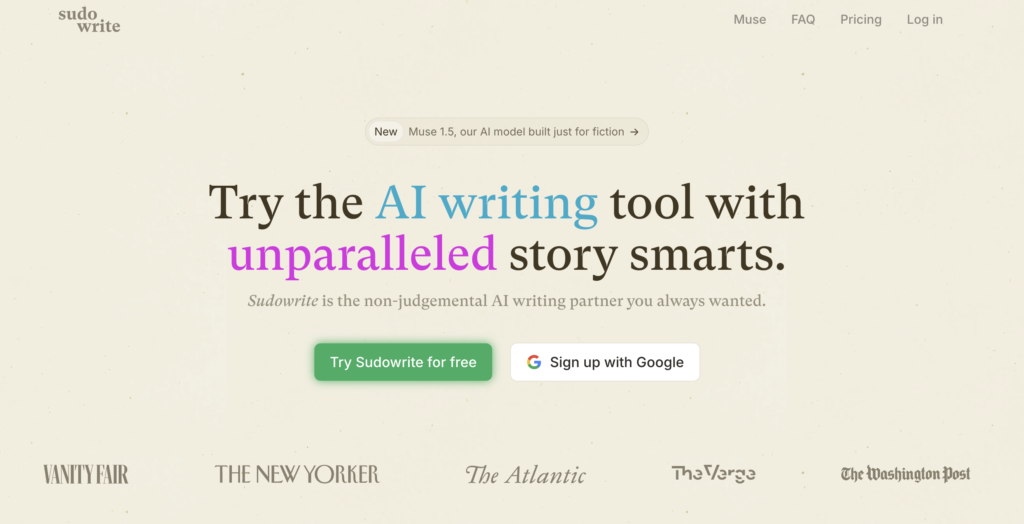
Best for: Creative ghostwriting and storytelling
If you ghostwrite books, memoirs, or fiction, Sudowrite is in a league of its own. It’s designed to help with narrative flow, character development, and sensory detail.
Why creatives love it:
- Strong descriptive writing
- Helps overcome creative blocks
- Excellent for long-form storytelling
This is one of the most niche but powerful AI tools for ghostwriters.
8. QuillBot
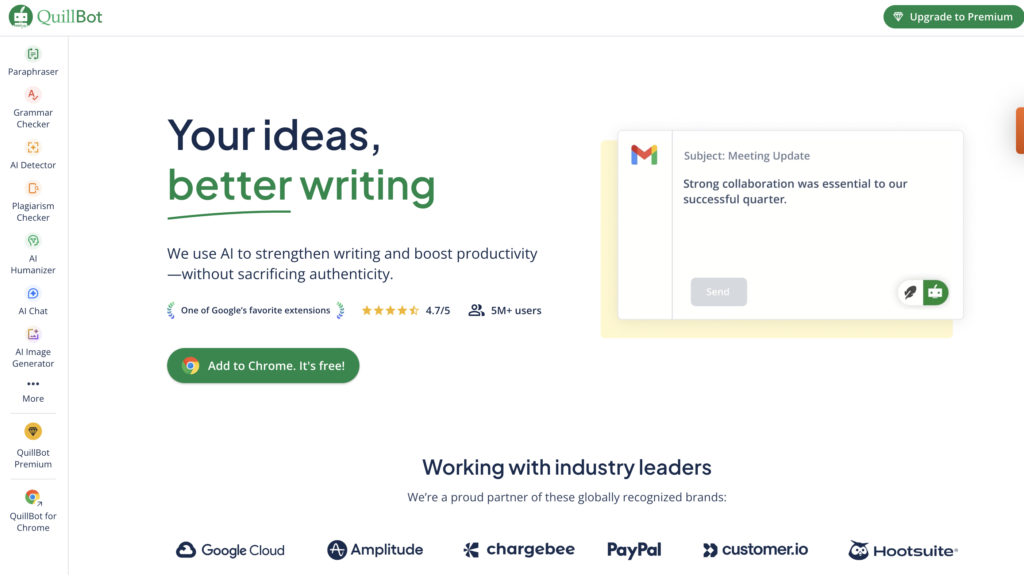
Best for: Rewriting and paraphrasing
QuillBot is a lifesaver when clients ask for “a different version” of something you’ve already written. It rewrites content while preserving meaning.
Best use cases:
- Avoiding repetition
- Reworking drafts
- Adjusting complexity levels
Simple, focused, and effective.
9. Claude

Best for: Long documents and nuanced tone
Claude handles large documents exceptionally well, making it ideal for reports, ebooks, and in-depth articles. It also tends to sound more natural and less “AI-ish.”
Why ghostwriters choose it:
- Handles long context better
- Softer, more human tone
- Strong summarization skills
It’s a great alternative or companion to ChatGPT.
10. Surfer SEO

Best for: Optimizing ghostwritten content for rankings
Surfer SEO isn’t a writing tool per se, but it’s invaluable if your clients care about traffic. It analyzes top-ranking pages and tells you exactly what to include.
Perfect for:
- SEO-driven ghostwriting
- Blog optimization
- Content audits
Pair it with any AI writing tool for maximum impact.
How to Use AI Tools Without Sounding Like AI
Here’s the golden rule for freelancers: AI should assist, not replace your judgment.
To get the best results:
- Always edit AI-generated drafts
- Customize prompts for each client
- Combine multiple tools in your workflow
- Focus on voice, structure, and insight
Clients don’t pay for words—they pay for thinking.
Final Thoughts
The best AI tools for ghostwriters don’t just save time—they expand what you can offer as a freelancer. Whether you’re writing blogs, books, emails, or thought leadership pieces, the right AI writing tools help you work faster without cutting corners.
You don’t need all ten tools. Start with one or two that match your niche, build a repeatable workflow, and grow from there.
In a competitive freelance market, efficiency isn’t optional—it’s your edge.